
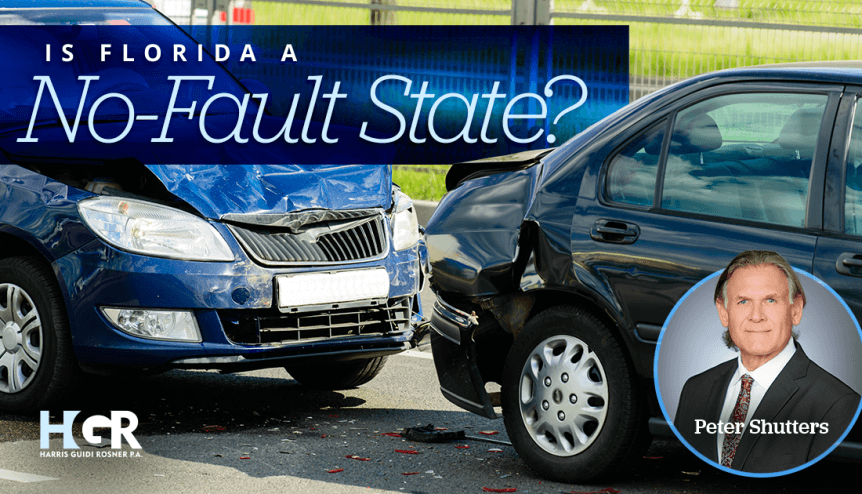
If you have been in a car accident in Florida, you may have heard the term “no-fault state” and wondered what it actually means for you. It is one of the most misunderstood areas of Florida auto law, and there is a significant amount of misinformation circulating online about whether the no-fault system even still exists.
Here is a clear, current explanation of how Florida’s no-fault system works in 2026 and what it means for your ability to recover compensation after a crash.
Yes, Florida Is Still a No-Fault State in 2026
Despite years of legislative efforts to repeal it, Florida’s no-fault car insurance system remains fully in effect. The 2026 Florida legislative session ended on March 13, 2026 without passing any repeal. The most recent bills aimed at ending no-fault, Senate Bill 522 and House Bill 769, both died in committee. Florida PIP is still the law, and you are still required to carry it.
If you have read elsewhere that Florida repealed no-fault insurance, that information is incorrect. The misinformation comes from a mix of pending bills that did not pass, AI-generated answers that surfaced outdated claims, and stale web copy that was never updated.
What “No-Fault” Actually Means
In a no-fault state, your own insurance covers your medical expenses and a portion of your lost wages after a car accident, regardless of who caused the crash. You do not have to prove the other driver was at fault to receive these initial benefits.
The key component of Florida’s no-fault system is Personal Injury Protection, commonly known as PIP. Florida requires all drivers to carry a minimum of $10,000 in PIP coverage and $10,000 in property damage liability coverage to register and operate any vehicle with four or more wheels.
There is also an important timing requirement: Florida law requires you to seek medical treatment within 14 days of a car accident to qualify for PIP coverage. Missing this deadline may result in your PIP insurer denying your entire claim, even if your injuries are legitimate.
The Emergency Medical Condition Rule
Not all accident victims receive the full $10,000 in PIP benefits. The only way to receive the full $10,000 in PIP coverage is if a qualified medical care provider determines that you had an emergency medical condition resulting from the crash. If no emergency medical condition is diagnosed, your PIP medical benefits are capped at $2,500.
This rule makes early medical evaluation extremely important. Even if your symptoms seem minor at first, getting evaluated promptly creates the documentation necessary to access your full PIP benefits if your condition turns out to be more serious than initially apparent.
When Can You Sue the At-Fault Driver?
Florida’s no-fault system limits your ability to sue the driver who caused your accident. You generally cannot recover non-economic damages like pain and suffering through PIP alone. To step outside the no-fault system and file a lawsuit against the at-fault driver, your injuries must meet what Florida law calls the “serious injury threshold.”
If your injuries meet this threshold, you can pursue compensation for pain and suffering, future medical expenses, and other damages that PIP does not cover. An experienced personal injury attorney can help you determine whether your injuries qualify and how to document them effectively.
What If the At-Fault Driver Has No Insurance?
Florida does not require most drivers to carry bodily injury liability coverage, which is the type of insurance that pays other people’s losses when you cause a crash. This means many Florida drivers have no coverage to compensate you for medical bills, lost wages, or pain and suffering beyond your own PIP.
Given how many uninsured or underinsured drivers are on Florida roads, adding UM/UIM coverage to your policy is one of the most important steps you can take to protect yourself financially.
What This Means for Jacksonville Drivers
Florida’s no-fault system can be confusing, and the rules around PIP, the serious injury threshold, and the 14-day treatment deadline create real traps for accident victims who are not familiar with how the system works. Missing a deadline, failing to document an emergency medical condition, or accepting an early insurance settlement without understanding your rights can all significantly reduce your recovery.
If you have been injured in a car accident in Jacksonville or the surrounding Northeast Florida area, the personal injury team at Harris Guidi Rosner, P.A. can help you navigate the no-fault system, evaluate whether your injuries meet the serious injury threshold, and pursue the full compensation you deserve.